How Garment Remodelling Gives Clothes a Second Life
Garment remodelling starts with what already exists. The fabric, seams, structure, and wear patterns are reviewed first so the design can respect the garment's condition and potential. This approach is especially useful for pieces with sentimental value, vintage clothing, and items made from fabric that should be reused rather than discarded.
Each project begins with an assessment and a redesign consultation. From there, the scope is defined clearly before any work moves ahead. That written scope helps set expectations for what can realistically be changed, what materials may be needed, and how the finished garment is likely to behave once it is worn again.
Made for garments that still have value, even when the fit or style no longer works.
A careful redesign can turn an unworn piece into something practical, wearable, and more personal.
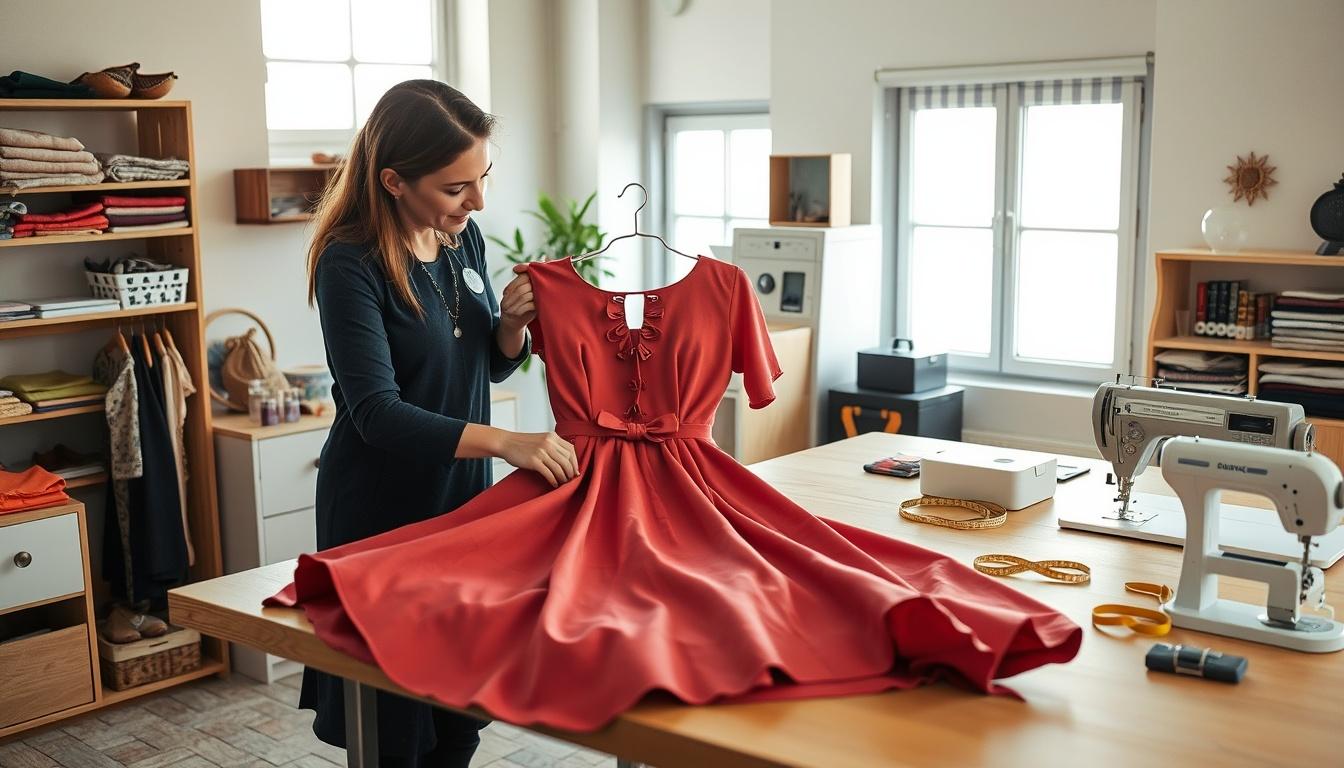
Not every idea can be completed exactly as imagined, because existing fabric, seam allowances, and construction details can limit the result. A dress may become a new skirt, a shirt may be restyled into something more current, or strong sections of a garment may be reused for an accessory project. The aim is to make the most of the original piece without overpromising the outcome.
At collection, the garment is checked again so the final fit or finish can be reviewed carefully. If a small adjustment is needed, it is handled with the agreed design in mind. This final step helps keep the project practical, measured, and aligned with the original approval.